 Synergy
A guide to uninstall Synergy from your PC
This web page contains thorough information on how to uninstall Synergy for Windows. It was developed for Windows by The Synergy Project. More info about The Synergy Project can be read here. More data about the application Synergy can be found at http://synergy-foss.org/support. Synergy is frequently installed in the C:\Program Files (x86)\Synergy folder, depending on the user's choice. The entire uninstall command line for Synergy is C:\Program Files (x86)\Synergy\uninstall.exe. Synergy's primary file takes about 1.05 MB (1101384 bytes) and is named synergy.exe.The executable files below are part of Synergy. They occupy about 3.02 MB (3171030 bytes) on disk.
- synergy.exe (1.05 MB)
- synergyc.exe (623.07 KB)
- synergyd.exe (311.07 KB)
- synergys.exe (754.57 KB)
- uninstall.exe (332.43 KB)
The information on this page is only about version 1.4.10 of Synergy. You can find below info on other versions of Synergy:
...click to view all...
A way to remove Synergy from your computer using Advanced Uninstaller PRO
Synergy is a program offered by the software company The Synergy Project. Sometimes, people try to erase it. Sometimes this is easier said than done because removing this manually takes some know-how regarding Windows program uninstallation. One of the best QUICK solution to erase Synergy is to use Advanced Uninstaller PRO. Here are some detailed instructions about how to do this:1. If you don't have Advanced Uninstaller PRO already installed on your Windows PC, add it. This is good because Advanced Uninstaller PRO is one of the best uninstaller and all around tool to clean your Windows system.
DOWNLOAD NOW
- go to Download Link
- download the program by pressing the DOWNLOAD NOW button
- set up Advanced Uninstaller PRO
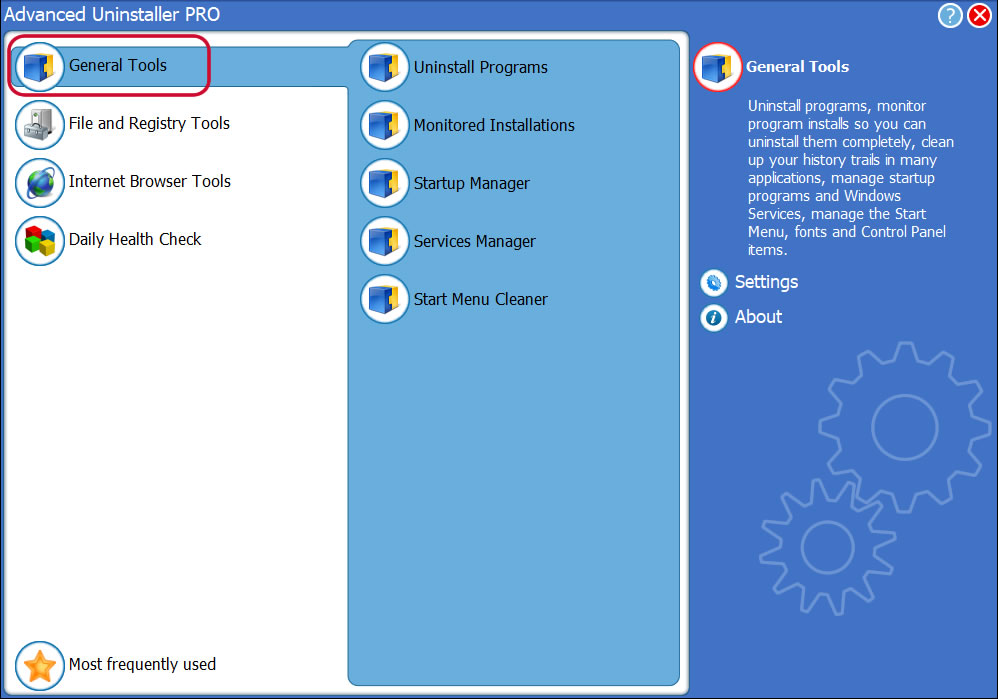
3. Press the General Tools category
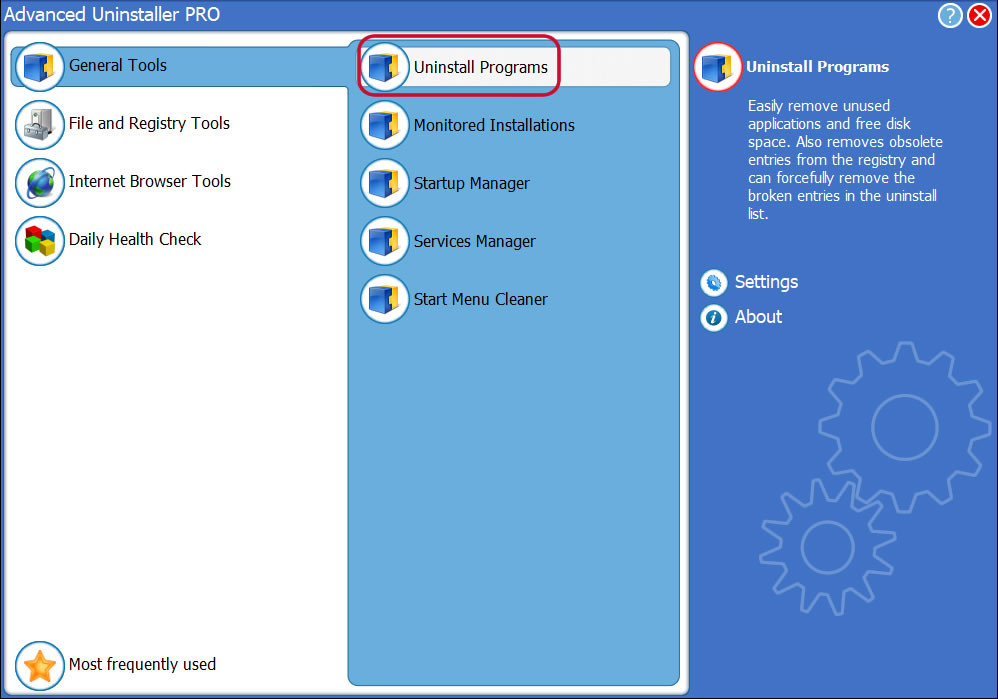
4. Click on the Uninstall Programs tool
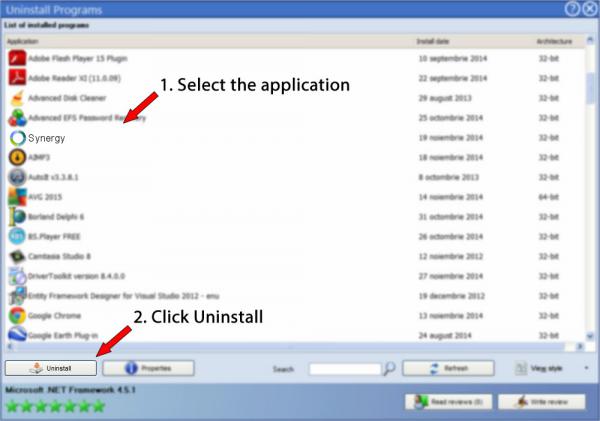
5. All the applications installed on your computer will be shown to you
6. Scroll the list of applications until you find Synergy or simply click the Search field and type in "Synergy". If it is installed on your PC the Synergy program will be found automatically. After you click Synergy in the list of apps, the following data about the program is shown to you:
- Safety rating (in the left lower corner). The star rating explains the opinion other users have about Synergy, from "Highly recommended" to "Very dangerous".
- Opinions by other users - Press the Read reviews button.
- Details about the app you are about to remove, by pressing the Properties button.
- The publisher is: http://synergy-foss.org/support
- The uninstall string is: C:\Program Files (x86)\Synergy\uninstall.exe
8. After uninstalling Synergy, Advanced Uninstaller PRO will ask you to run a cleanup. Click Next to start the cleanup. All the items that belong Synergy that have been left behind will be found and you will be asked if you want to delete them. By uninstalling Synergy with Advanced Uninstaller PRO, you can be sure that no Windows registry items, files or directories are left behind on your computer.
Your Windows computer will remain clean, speedy and ready to take on new tasks.
Geographical user distribution


Disclaimer
The text above is not a piece of advice to uninstall Synergy by The Synergy Project from your PC, nor are we saying that Synergy by The Synergy Project is not a good application. This text simply contains detailed info on how to uninstall Synergy in case you want to. The information above contains registry and disk entries that other software left behind and Advanced Uninstaller PRO discovered and classified as "leftovers" on other users' computers.
2016-06-20 / Written by Daniel Statescu for Advanced Uninstaller PRO
follow @DanielStatescuLast update on: 2016-06-20 16:23:40.127